May 25, 2026
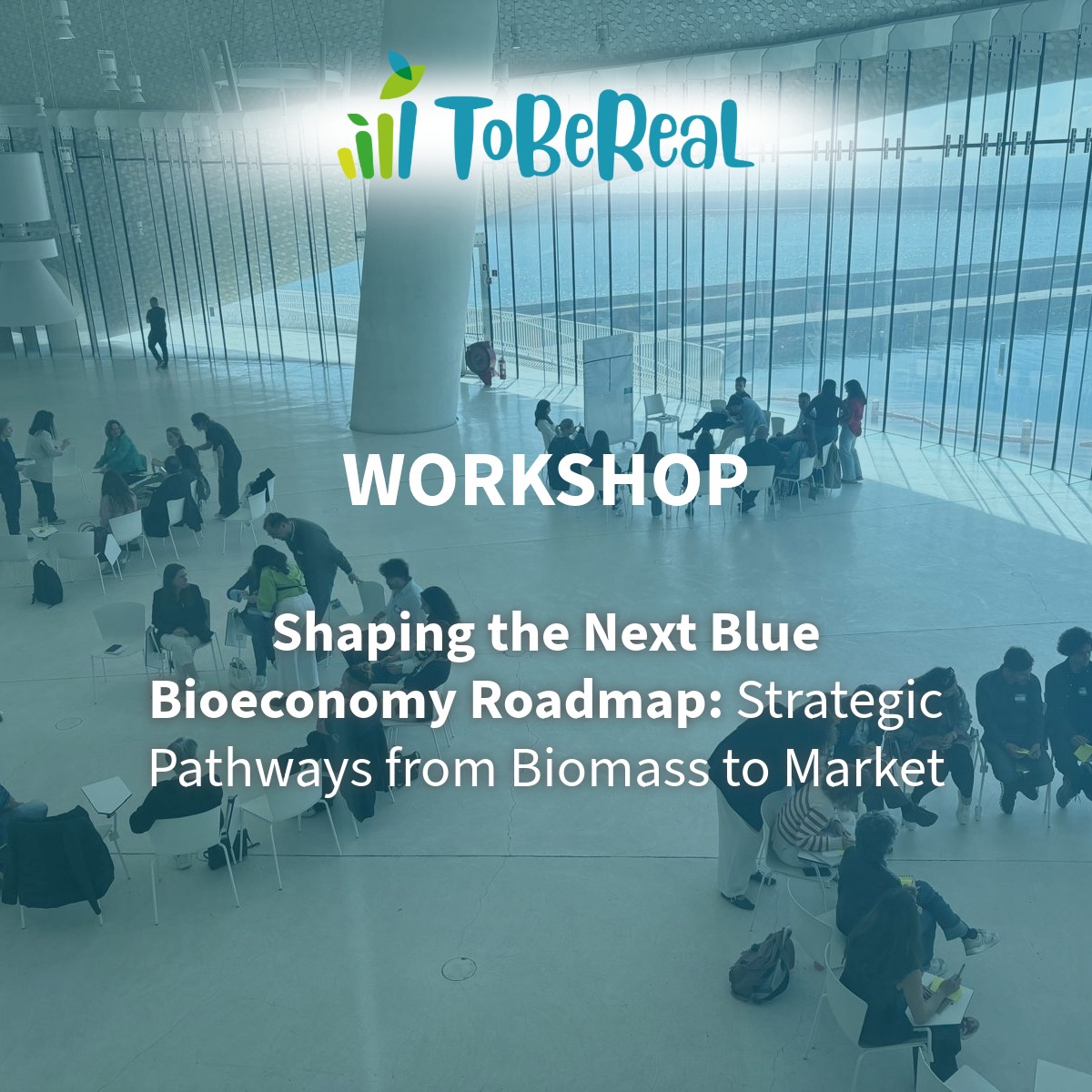
Last week, ToBeReaL project brought together stakeholders from across the blue bioeconomy ecosystem for the workshop “Shaping the Next Blue Bioeconomy Roadmap: Strategic Pathways from Biomass to Market”, hosted at CIIMAR, in Matosinhos, Portugal.
Set against the Atlantic Ocean, the event combined strategic discussions, real market examples and a collaborative co-creation session to explore how blue bioeconomy solutions can move from innovation to real-world impact.
Organised under the ToBeReaL Project, the workshop was supported by PNO Innovation Portugal, CIIMAR, BLUEBIO ALLIANCE, B2E CoLAB and Štajerska gospodarska zbornica (ŠGZ), bringing together stakeholders from across the blue bioeconomy ecosystem to discuss strategic pathways for innovation, market uptake and regional collaboration.
The event was moderated by Joana Moreira da Silva (PNO Portugal), who guided participants through an afternoon of strategic discussions, practical case studies and collaborative exchanges.
Opening the Conversation
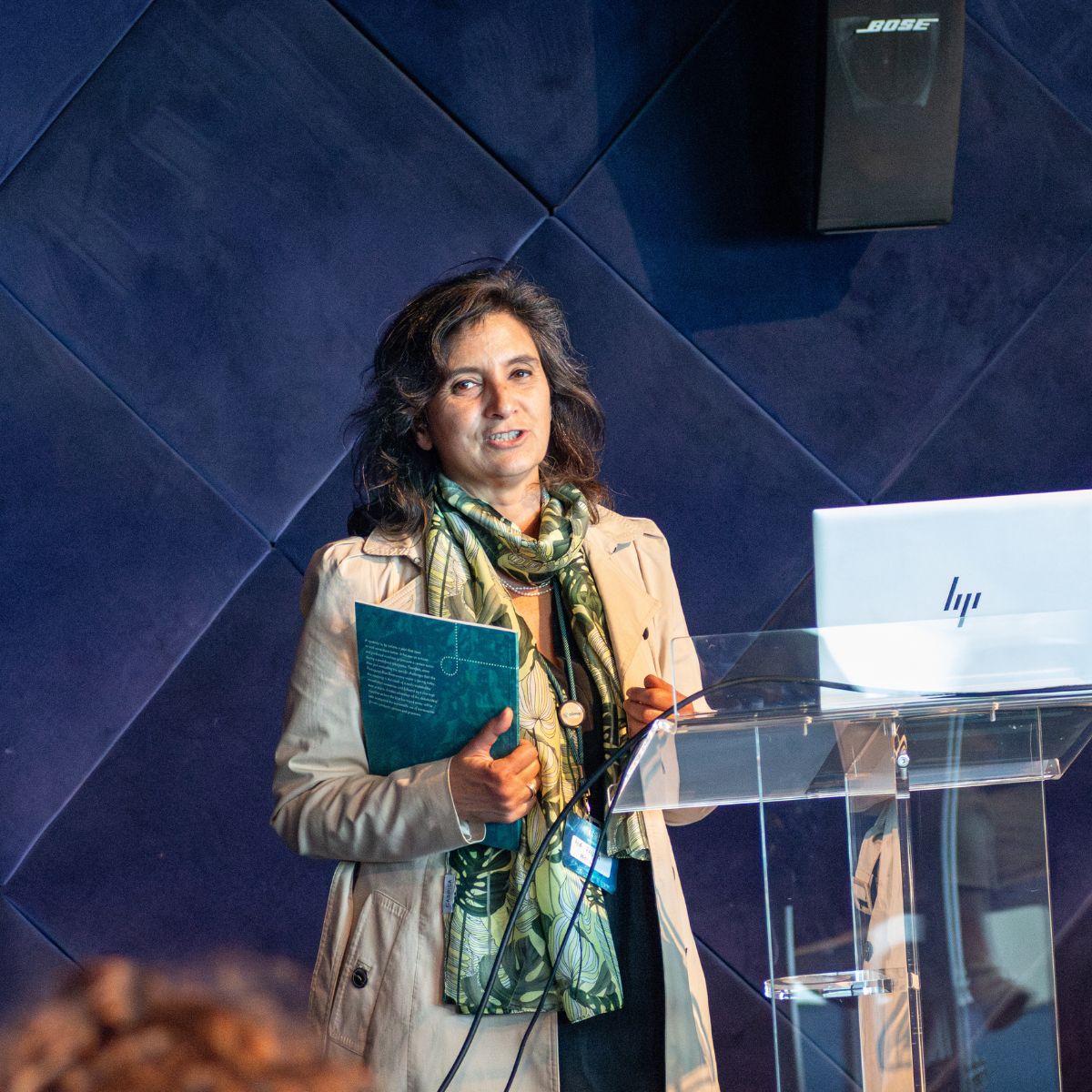
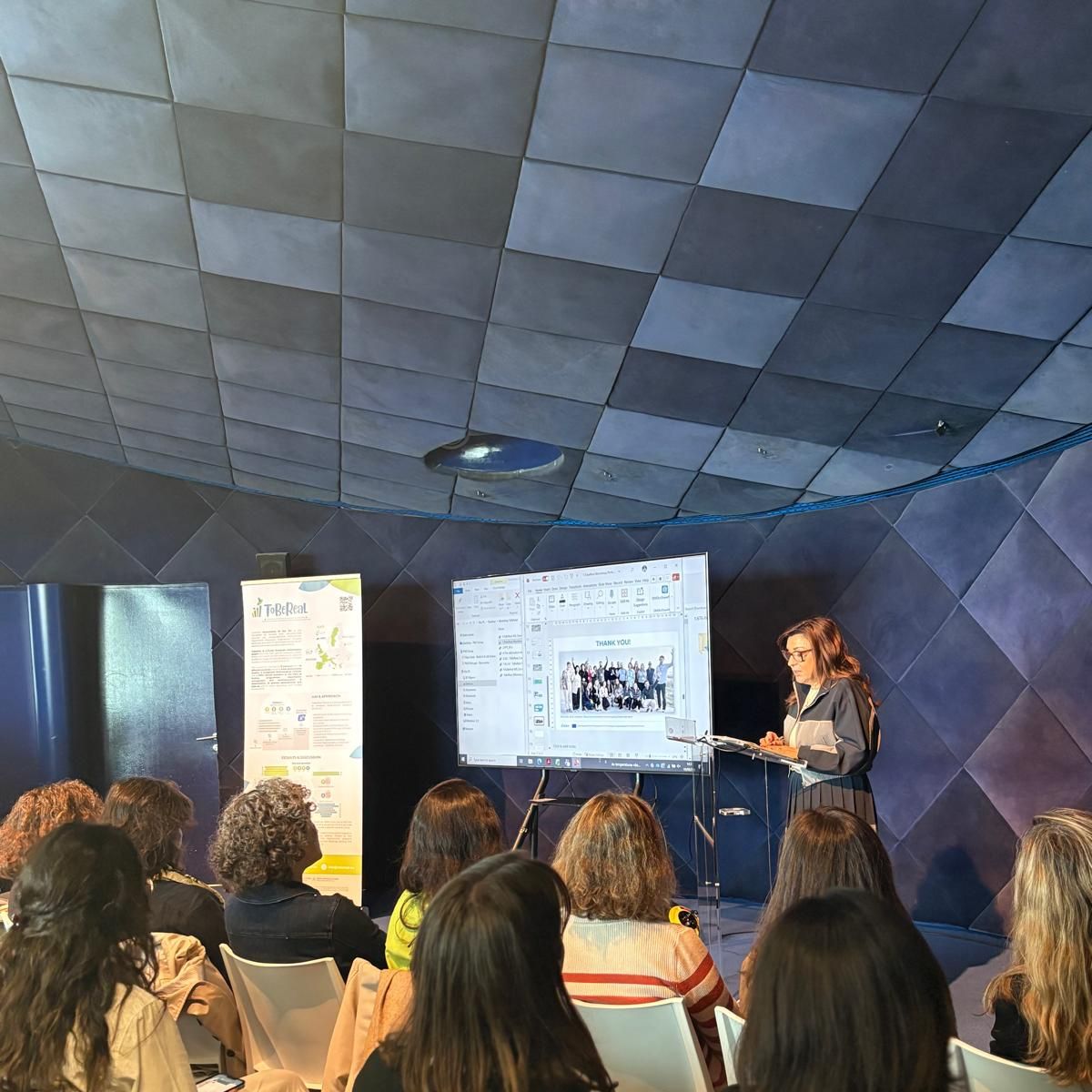
The session opened with welcoming remarks from Ana Paula Mucha (CIIMAR), who highlighted the importance of strengthening collaboration across the blue bioeconomy value chain. This was followed by an introduction to the ToBeReaL project by Lara Valentin (PNO Innovation Spain), who framed the workshop within the project’s broader mission of supporting regional bioeconomy ecosystems and accelerating innovation uptake. The institutional opening was delivered by Manuela Álvares, Councillor for the Environment of the Municipality of Matosinhos, who reinforced the importance of protecting and valorising marine resources while recognising the strong connection between Matosinhos and its maritime heritage.
Navigating the Blue Bioeconomy Landscape
The first thematic session focused on the current state of the blue bioeconomy ecosystem and the pathways needed to strengthen innovation and market uptake.
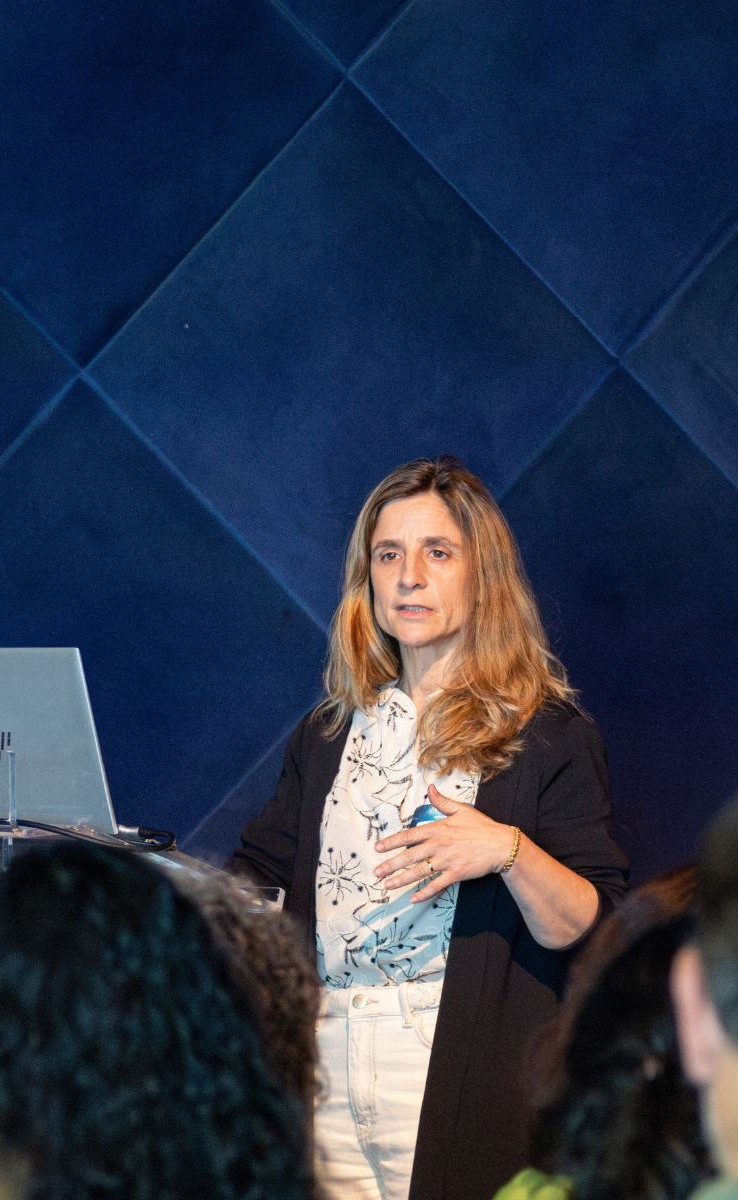
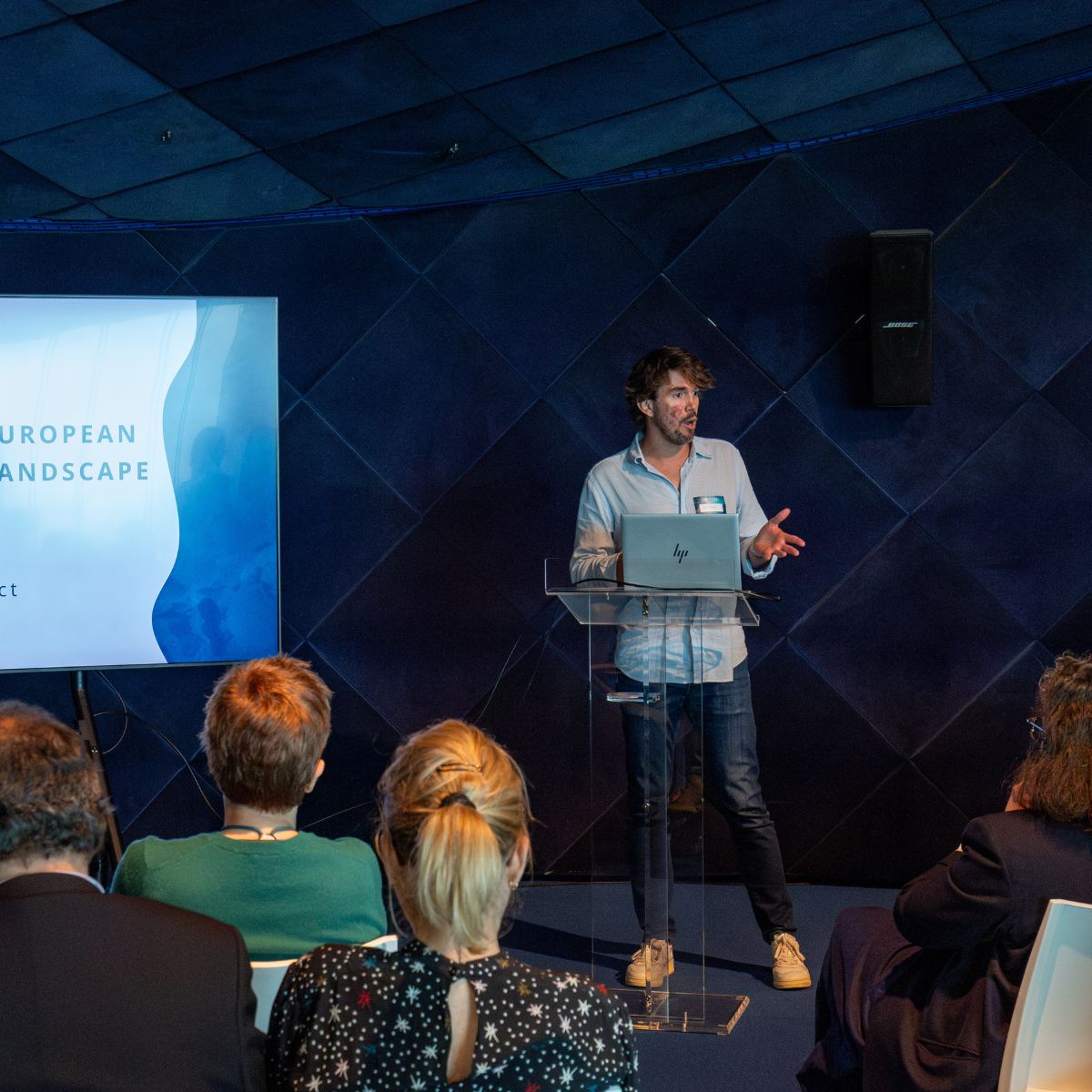
Opening the discussion, João Rito from BLUEBIO ALLIANCE positioned Portugal within the wider European blue bioeconomy landscape, highlighting both the country’s growing role in marine-based innovation and the opportunities emerging from stronger European collaboration and investment in the sector.
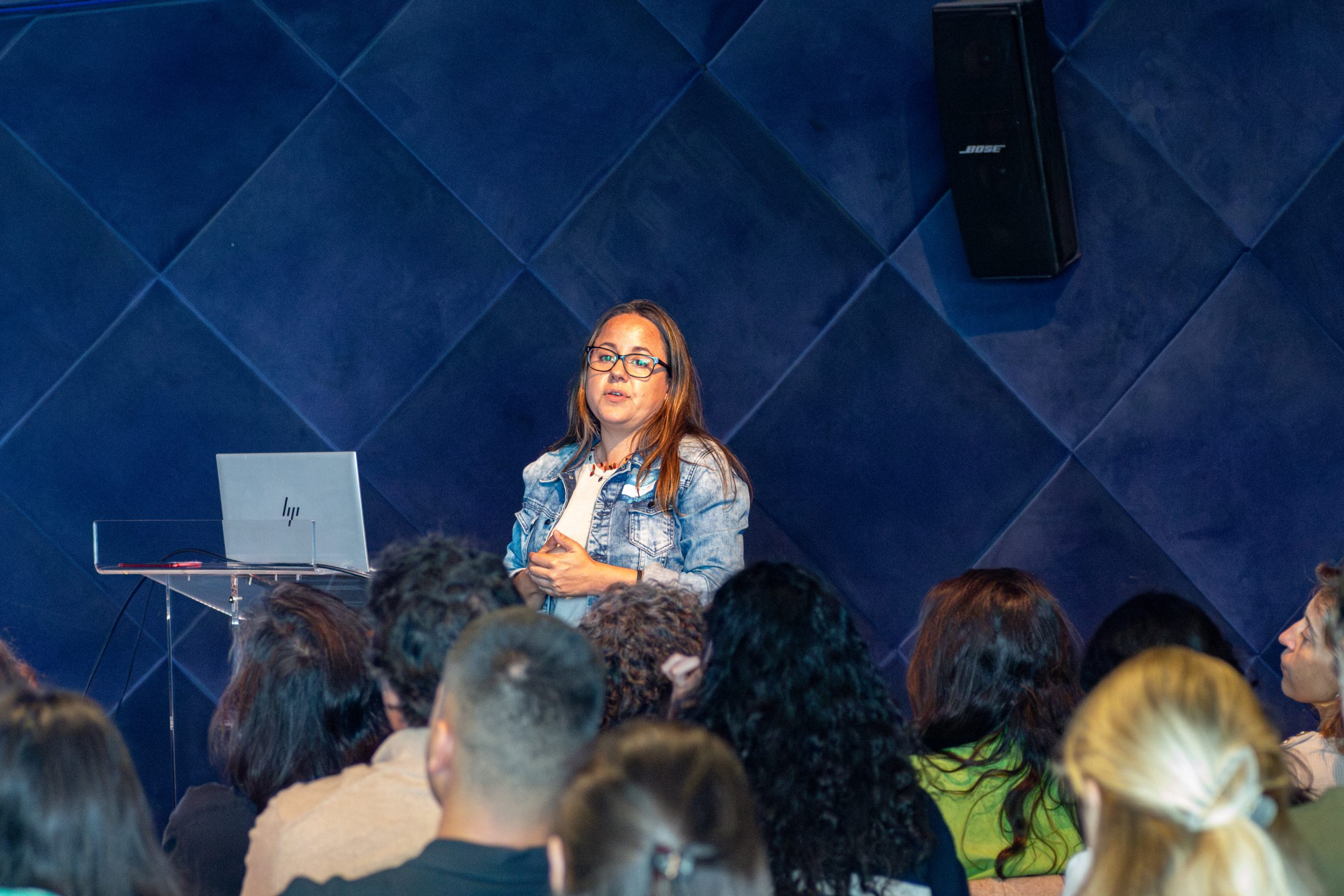
The conversation then moved from the European perspective to the regional scale, with Susana Moreira (CIIMAR) presenting concrete examples of initiatives helping to structure and strengthen the blue bioeconomy pipeline in Northern Portugal. Her intervention illustrated how regional ecosystems can play a decisive role in connecting research, innovation and industrial implementation.
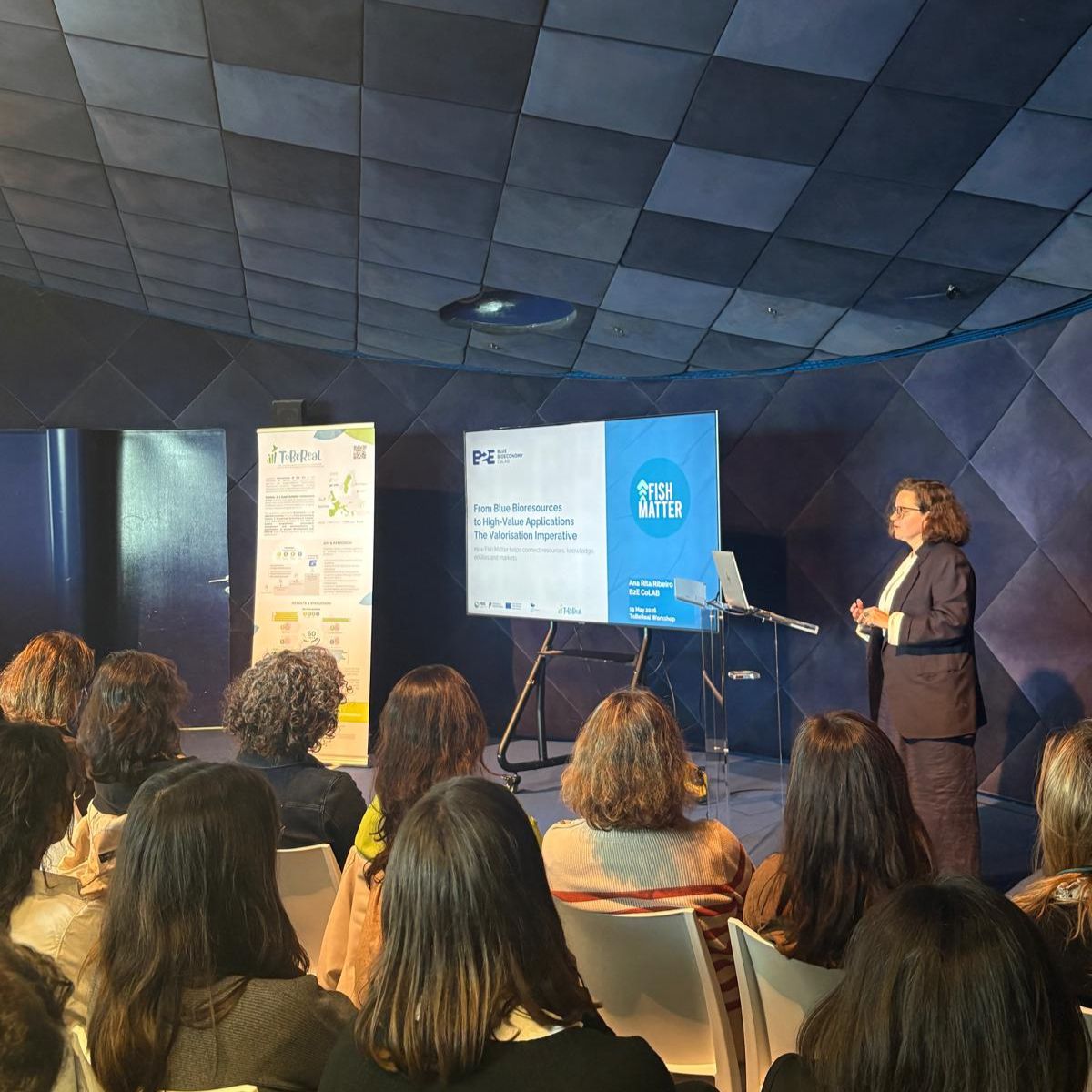
Closing the session, Ana Rita Ribeiro (B2E CoLAB) reinforced the importance of moving beyond resource extraction and focusing on valorisation pathways capable of generating high-value applications with real market potential. Her presentation highlighted the growing need to bridge science, technology and commercialisation in order to ensure long-term impact for blue bio-based solutions.
From Evidence to Action: Blue Bioeconomy Democases
The second session shifted from strategic context to practical applications, showcasing how companies and innovators are already bringing blue bioeconomy solutions to life across different sectors. Through a set of inspiring democases, speakers showcased how blue bioresources are being transformed into products and applications with tangible industrial, environmental and societal value.
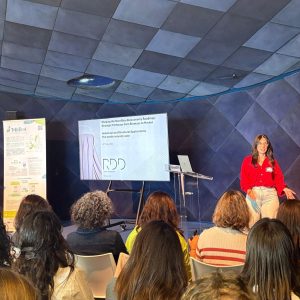
Bárbara Leite (RDD Textiles) presented how biotechnology and circular approaches are being integrated into the textile sector, including the development of bio-based pigments, innovative dyeing technologies and alternative fibres derived from biological resources. Her presentation also highlighted the role of in-house experimentation and testing facilities in accelerating innovation and validating new sustainable materials for the market.
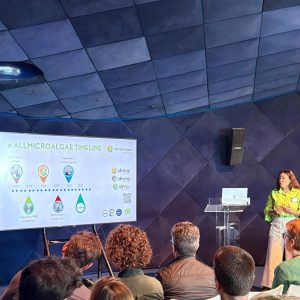
Focusing on food and human consumption applications, Camilly Fratelli (Allmicroalgae) explored the growing potential of microalgae-based products, particularly in addressing nutritional needs and supporting healthier and more sustainable diets. The intervention emphasised the importance of product differentiation, scientific validation and consumer-oriented communication to increase market acceptance and demonstrate the added value of algae-based ingredients.
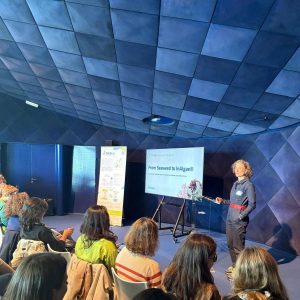
Participants also heard from Catarina Ricca (Ínclita Seaweed Solutions), who highlighted new opportunities emerging from seaweed-based applications in the health, pharma and personal care sectors, showcasing how marine resources can support the development of innovative ingredients and products aligned with increasing market demand for natural, functional and sustainable solutions.
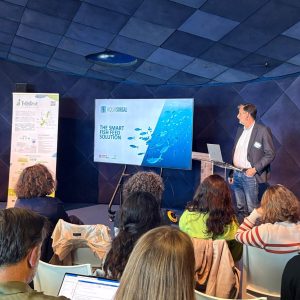
Closing the session, Tiago Aires (Aquasorgal) shared perspectives from the feed and aquaculture sectors, addressing both the opportunities and the challenges linked to innovation in primary production inputs. His contribution highlighted the growing need to balance sustainability, production efficiency and sector competitiveness while supporting the transition towards more resilient aquaculture systems.
Co-creating the future roadmap
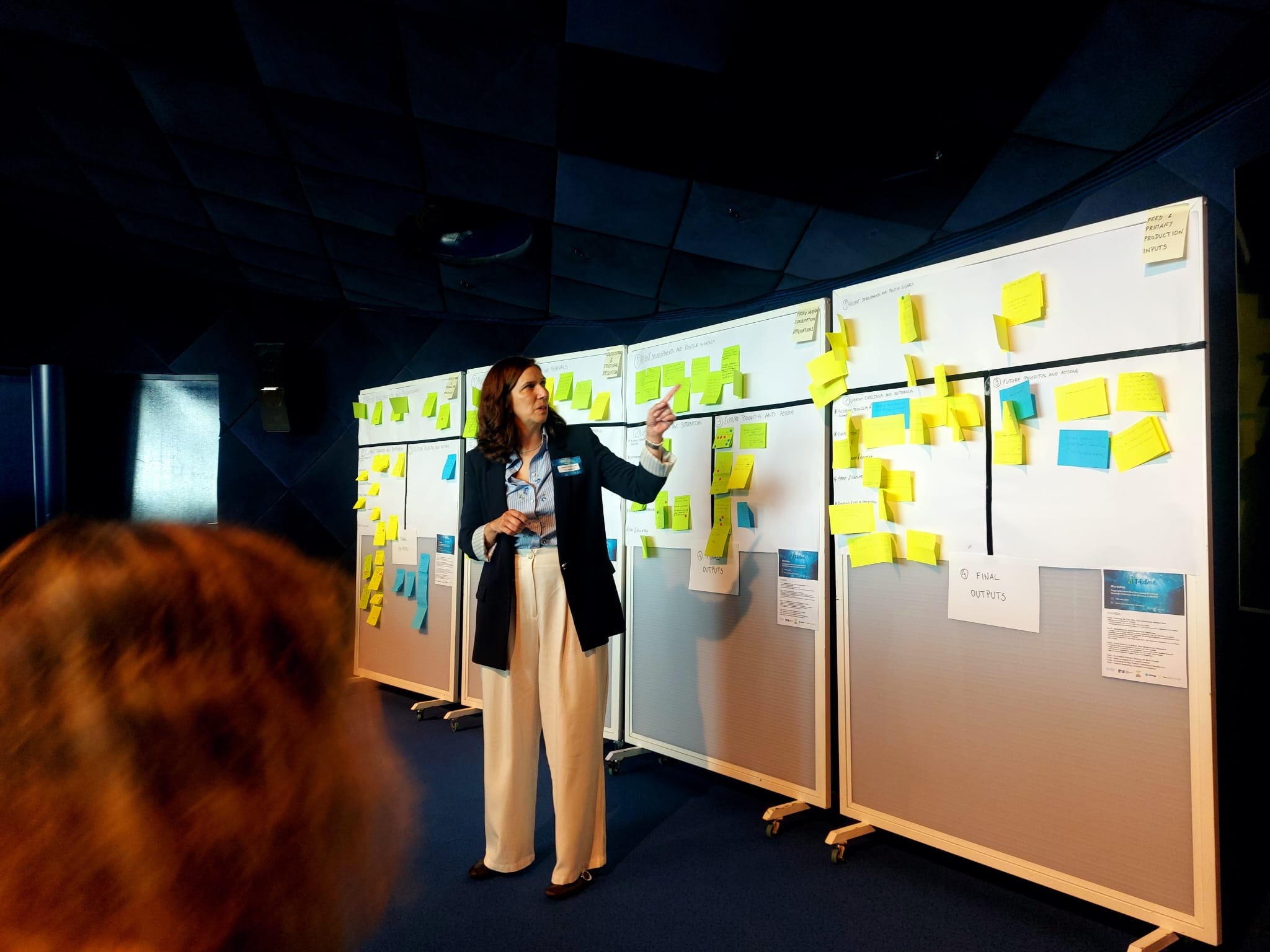
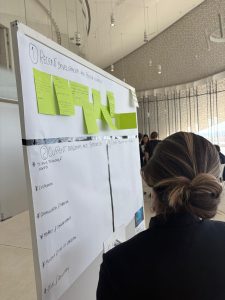
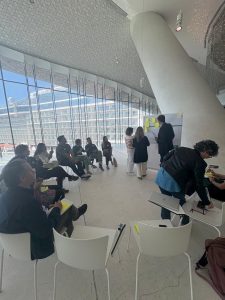
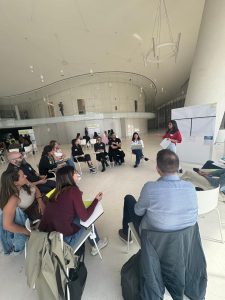
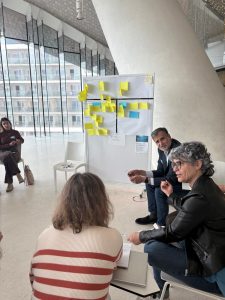
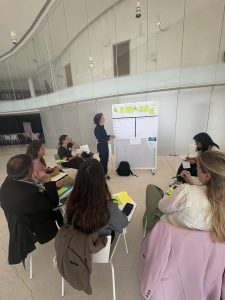
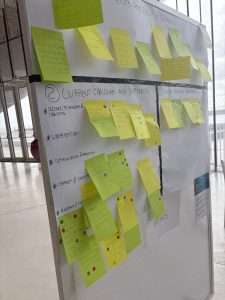
Following the presentations, participants moved into a collaborative co-creation session designed to help shape the next roadmap for the blue bioeconomy.
Divided into four thematic groups: Industrial & Structural Applications, Health & Personal Care, Food & Human Consumption, and Feed & Primary Production Inputs, participants worked together to identify: recent positive developments, current challenges and bottlenecks, and future priorities and actions.
With the Atlantic Ocean just outside the room, the CIIMAR venue became a dynamic space for discussion, networking and collaborative thinking about the future of the blue bioeconomy.
Main outcomes from the co-creation session
- Participants identified increasing funding opportunities, technological advances, growing consumer interest in sustainable products and stronger policy attention towards bio-based solutions as encouraging signals for the sector.
- Despite progress, important barriers remain, including: regulatory complexity and lengthy approval procedures, high production and scaling-up costs, market competitiveness against conventional products, lack of consumer awareness and literacy, difficulties navigating certification and compliance frameworks.
As future priorities, participants highlighted the need for the following:
- better alignment between funding and market readiness
- stronger collaboration between industry, academia and policymakers
- clearer communication and awareness-raising activities
- more support mechanisms for innovators
- improved regulatory support and transparency
- consumer education and trust-building.
The ToBeReaL Project would like to thank all speakers, participants and organisers who contributed to the success of the event and to the inspiring discussions that took place throughout the afternoon.